
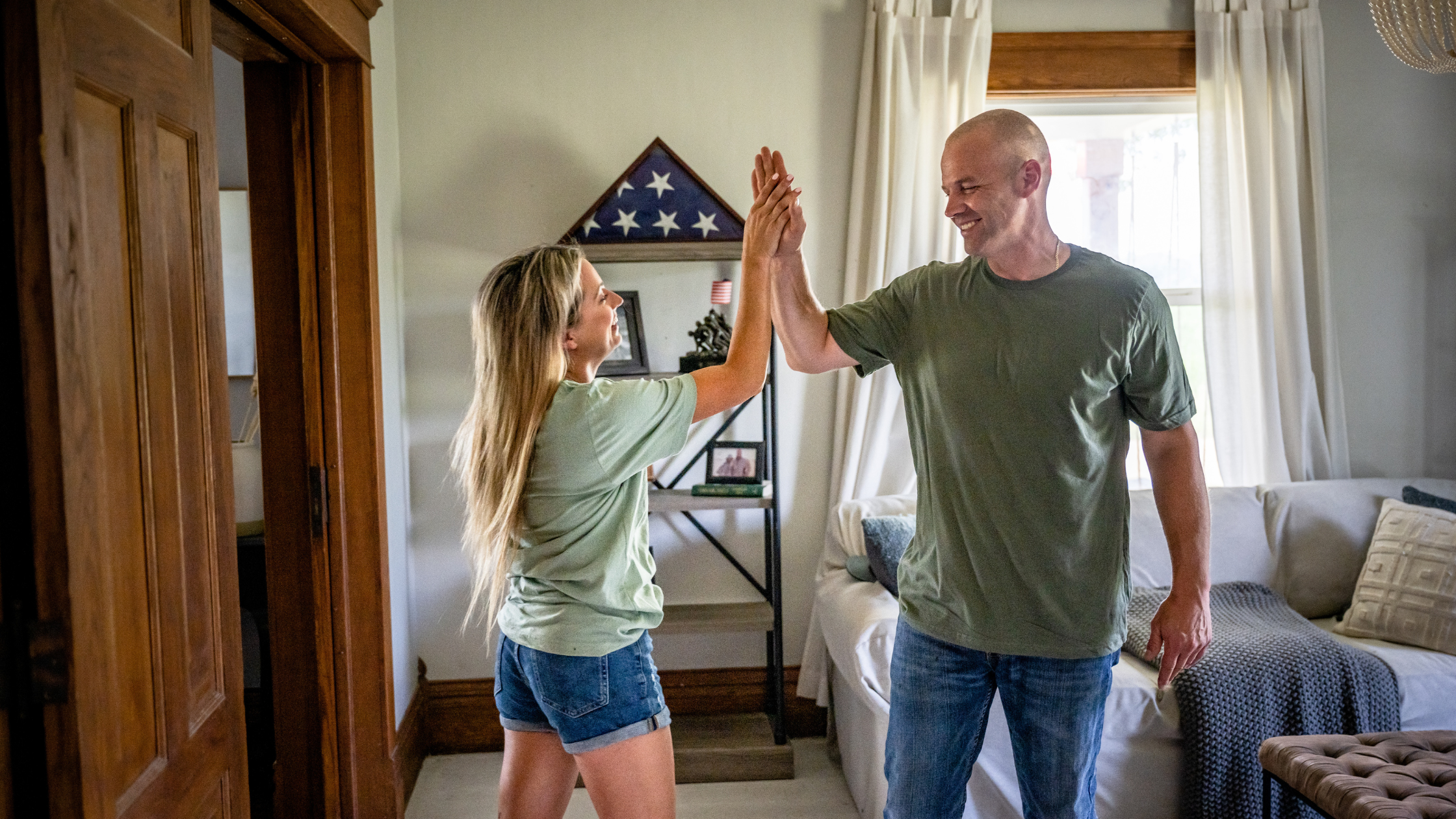
When a Veteran serves, their family serves alongside them. Spouses often carry additional responsibilities, career sacrifices, and emotional strain during and after military service. Understanding veteran spouse benefits can help families access resources they may not realize they qualify for.
This guide breaks down the most common benefits for veteran spouses, who qualifies, and how to apply.
Who Qualifies for Veteran Spouse Benefits?
Veteran spouse benefits may be available to:
- Spouses of Veterans with a service-connected disability
- Surviving spouses of deceased Veterans
- Spouses of Veterans rated totally and permanently disabled
- Spouses of Veterans who died from service-connected causes
Eligibility depends on the Veteran’s disability rating, discharge status, and the spouse’s marital status.
Dependency and Indemnity Compensation (DIC)
Dependency and Indemnity Compensation, commonly referred to as DIC, is a tax-free monthly benefit paid to eligible surviving spouses. This benefit is available when a Veteran:
- Died from a service-connected condition, or
- Was rated totally disabled for a qualifying period before death
DIC is one of the most impactful veteran spouse benefits, as it provides ongoing financial support. It is intended to help surviving spouses maintain stability after the loss of a Veteran whose disability or death was connected to military service.
CHAMPVA Health Care Benefits
CHAMPVA is a VA health care program for spouses and dependents who are not eligible for TRICARE. Spouses may qualify if the Veteran:
- Is rated permanently and totally disabled due to service-connected conditions, or
- Passed away as a result of a service-connected condition
CHAMPVA can help cover medical care, prescription medications, mental health services, and other healthcare needs. For many spouses, this benefit provides critical access to affordable healthcare coverage.
Education Benefits for Veteran Spouses
Education benefits are a major component of benefits for veteran spouses, helping families pursue career growth and financial independence.
Survivors’ and Dependents’ Educational Assistance (DEA – Chapter 35)
DEA provides education and training benefits to spouses of Veterans who are permanently and totally disabled or who died from service-connected causes. These benefits can be used for:
- College and university degree programs
- Vocational and technical training
- Certification and licensing programs
- Apprenticeships and on-the-job training
Transfer of Post-9/11 GI Bill Benefits
In some situations, Veterans may transfer unused Post-9/11 GI Bill benefits to their spouse. This option must typically be elected while the Veteran is still in service, but it can provide significant education assistance to spouses later on.
VA Home Loan Benefits for Spouses
Surviving spouses may qualify for VA home loan benefits under certain conditions. If the Veteran died in service or from a service-connected disability and the spouse has not remarried, they may be eligible to use the VA loan program.
These benefits can include favorable loan terms such as no down payment requirements and competitive interest rates, helping spouses achieve or maintain homeownership.
VA Pension Benefits for Surviving Spouses
The Survivors Pension is a needs-based benefit for low-income surviving spouses of wartime Veterans. Eligibility depends on the Veteran’s wartime service and the spouse’s income and net worth.
This pension is designed to help cover basic living expenses and can be especially important for spouses who have limited income or fixed retirement resources.
Burial and Survivor Benefits
Veteran spouse benefits may also extend to burial-related support. Eligible spouses may receive:
- Burial allowances
- Funeral and burial expense reimbursement
- Burial in a VA national cemetery
- Headstones or grave markers
These benefits help ease the financial burden associated with end-of-life expenses while honoring the Veteran’s service.
VA Caregiver Support Program
Spouses who serve as primary caregivers for eligible Veterans may qualify for support through the VA’s Program of Comprehensive Assistance for Family Caregivers (PCAFC). To be eligible, the Veteran must have a VA disability rating of 70% or higher, be enrolled in VA health care, and require at least six months of continuous, in-person personal care services. Caregivers must also meet specific relationship and living requirements.
Qualifying caregivers may receive benefits such as:
- Monthly stipends
- Access to healthcare coverage
- Training and education resources
- Mental health support
This program recognizes the essential role spouses play in providing long-term care.
Common Reasons Spouses Miss Out on Benefits
Many families miss out on Veteran spouse benefits because they are unaware of eligibility requirements or assume benefits only apply to Veterans themselves. Other common reasons include confusion between VA and DoD programs, misunderstanding how disability ratings affect family benefits, or assuming benefits end after a Veteran passes away.
FAQs About Veteran Spouse Benefits
What benefits are available to spouses of disabled Veterans?
Spouses may qualify for healthcare coverage, education assistance, caregiver support, and housing benefits depending on the Veteran’s disability rating.
Do veteran spouse benefits continue after the Veteran passes away?
Yes. Surviving spouses may qualify for DIC, Survivors Pension, healthcare benefits, and burial assistance.
Can a spouse receive VA benefits if the Veteran is rated 100% disabled?
Yes. A 100% permanent and total rating may qualify spouses for healthcare, education benefits, and caregiver programs.
Do spouses lose VA benefits if they remarry?
Some benefits may end upon remarriage, while others may continue depending on the spouse’s age and the specific benefit.
How do I apply for Veteran spouse benefits?
Applications vary by benefit and are submitted through the VA, often requiring documentation related to the Veteran’s service and disability rating.
Final Thoughts
Veteran spouse benefits exist to recognize the sacrifices families make in support of military service. From healthcare and education to survivor compensation, these benefits can provide long-term stability and support.
Many families qualify for benefits for veteran spouses without realizing it. Understanding eligibility is the first step toward accessing what’s available.
Are You or Your Spouse Unsure What Benefits You Qualify For?
Veteran Ratings helps Veterans and their families understand how VA disability ratings impact spouse benefits.
If you’re unsure where to begin or believe benefits may have been overlooked, reach out. Our team offers a quick, no-obligation case review.
Fill out the form below or call us at (619) 916-4652 to get started.